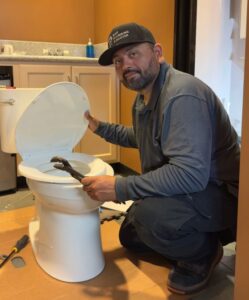


The start of a new year is the perfect time for a fresh beginning. We set new goals, organize our lives, and make plans for the year ahead. While you’re creating your list of resolutions, consider adding one more that can save you from major stress and expense: a thorough home plumbing check-up. Your home’s plumbing system works tirelessly behind the scenes, and a little preventative care can go a long way in avoiding catastrophic failures, conserving water, and keeping your utility bills in check.
Most homeowners only think about their plumbing when something goes wrong—a clogged drain, a leaky pipe, or a cold shower on a winter morning. By then, you’re already in damage control mode. A proactive approach is always better. This New Year, take control of your home’s health with this comprehensive plumbing maintenance checklist in Los Angeles, shared by our local experts. It’s your guide to starting the year with peace of mind, knowing your home is protected from the inside out.
Why Preventative Plumbing Maintenance Matters
A small drip from a faucet might seem insignificant, but it can waste thousands of gallons of water per year. A slow drain is a minor annoyance until it becomes a full-blown sewer backup. Preventative maintenance is about catching these small issues before they escalate into costly, disruptive emergencies. It ensures your plumbing runs efficiently, extends the life of your appliances, and provides a safe and healthy environment for your family.
Your New Year Plumbing Maintenance Checklist
Set aside an afternoon and work your way through these key areas. Most of these tasks are simple visual inspections, but they can reveal hidden problems that need attention.
1. Go on a Leak Hunt (Kitchens & Bathrooms)
Water leaks are the most common and potentially destructive plumbing problem. Hidden leaks behind walls or under floors can cause structural damage and promote toxic mold growth.
- Under the Sinks: Grab a flashlight and inspect the pipes under every kitchen and bathroom sink. Look for any signs of moisture, drips, water stains, or a musty smell. Check the P-trap (the U-shaped pipe) and the hot and cold water supply lines.
- Around the Toilets: Check the base of each toilet for any water pooling, which could indicate a failed wax ring. Also, check the water supply line and the shut-off valve behind the toilet for any drips.
- Faucets and Showerheads: Turn on every faucet and showerhead and look for drips around the base or from the spout itself after it’s turned off. A constant drip is a clear sign of a worn-out washer or cartridge.
2. Give Your Water Heater Some Attention
Your water heater is one of your home’s most expensive and hardworking appliances. A little maintenance can dramatically extend its lifespan and improve its efficiency.
- Check for Leaks: Visually inspect the tank, fittings, and the floor around the unit. Any sign of rust or water is a major red flag that the tank may be corroding from the inside.
- Test the Pressure Relief Valve: The Temperature and Pressure (T&P) valve is a critical safety feature. Place a bucket under the discharge pipe and lift the lever briefly. A spurt of water should come out. If it only trickles or doesn’t release water at all, the valve may be stuck and needs to be replaced by a professional.
- Flush the Tank (Professional Recommended): Over time, sediment builds up at the bottom of the tank, reducing efficiency and causing corrosion. Flushing the tank annually removes this sediment. While some homeowners do this themselves, we recommend professional service for this part of your plumbing maintenance checklist in Los Angeles to avoid the risk of scalding or damage.
3. Address Slow Drains Immediately
A slow drain is never normal. It’s a clear indication of a developing clog that will only get worse.
- Test All Drains: Run water in every sink, shower, and tub to see how quickly it drains. If any are slow, it’s a sign of a buildup of hair, soap scum, or grease.
- Avoid Harsh Chemicals: While it’s tempting to pour chemical drain cleaner down a slow drain, these products can damage your pipes and often don’t solve the root problem.
- Consider Professional Cleaning: If you have multiple slow drains, the problem might be in your main sewer line. A professional drain cleaning service like hydro jetting can clear out years of buildup and restore your pipes to like-new condition.
4. Check Your Water Pressure
Water pressure that is too high can wreak havoc on your entire plumbing system. It puts excess stress on pipes, joints, and appliances, leading to leaks and premature failure.
- Test with a Gauge: You can buy an inexpensive water pressure gauge at any hardware store. Screw it onto an outdoor hose bib and turn on the faucet.
- What’s a Safe Level?: Ideal residential water pressure is between 40 and 60 PSI (pounds per square inch). If your pressure is consistently above 80 PSI, you should have a professional plumber install or adjust a pressure regulator to protect your system.
5. Inspect Your Appliances and Hoses
The supply hoses connected to your washing machine, dishwasher, and icemaker are common failure points. A burst hose can release a massive amount of water in a short time.
- Check for Bulges and Cracks: Visually inspect all rubber supply hoses for any signs of bulging, cracking, or brittleness.
- Plan for Replacement: It’s a good rule of thumb to replace these hoses every five years, even if they look fine. Consider upgrading to durable, braided stainless-steel hoses for added security.
When to Call a Professional
This checklist will help you spot many common plumbing issues, but some tasks and diagnoses require the tools and expertise of a licensed plumber. If you discover a major leak, have consistently high water pressure, or suspect an issue with your main sewer line, it’s time to call in the experts.
A professional annual inspection is the best way to complement your own maintenance efforts. A plumber can perform tasks like a full water heater flush, conduct a video camera inspection of your sewer line, and provide expert advice tailored to your home’s specific needs.
Start Your Year with Confidence and a Healthy Home
By investing a small amount of time in this plumbing maintenance checklist in Los Angeles, you are making a big investment in your home’s future. You’ll catch problems early, save money on water bills, and gain invaluable peace of mind.
At MAP Plumbing and Rooter, we believe in the power of proactive maintenance. Our licensed technicians are here to help you with everything from a comprehensive plumbing inspection to any repairs or services you may need. We are dedicated to providing expert solutions that keep your home’s plumbing system safe, efficient, and reliable all year long.
Ready to give your plumbing a professional check-up? Contact MAP Plumbing and Rooter today to schedule your New Year plumbing inspection and start the year off right.